Strengthening Urban Refugee Voices Through Responsible Journalism: Mombasa Training Highlights
Strengthening Urban Refugee Voices Through Responsible Journalism: Mombasa Training Highlights
By Daniel Mule
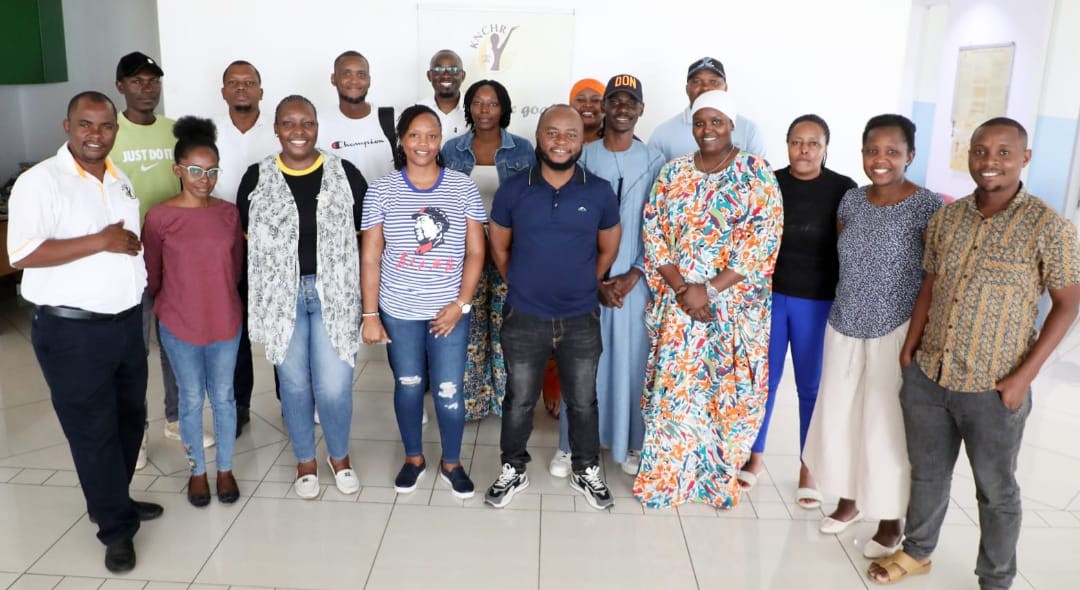
In the bustling urban environment of Mombasa, journalists are embracing a transformative approach to telling the stories of refugees and host communities that reside within the city’s dynamic social fabric. As part of the Haki na Ushirikiano project, the Kenya National Commission on Human Rights (KNCHR), conducted an impactful media sensitization forum focused on the Human Rights-Based Approach (HRBA) to urban refugee reporting in July 2025.
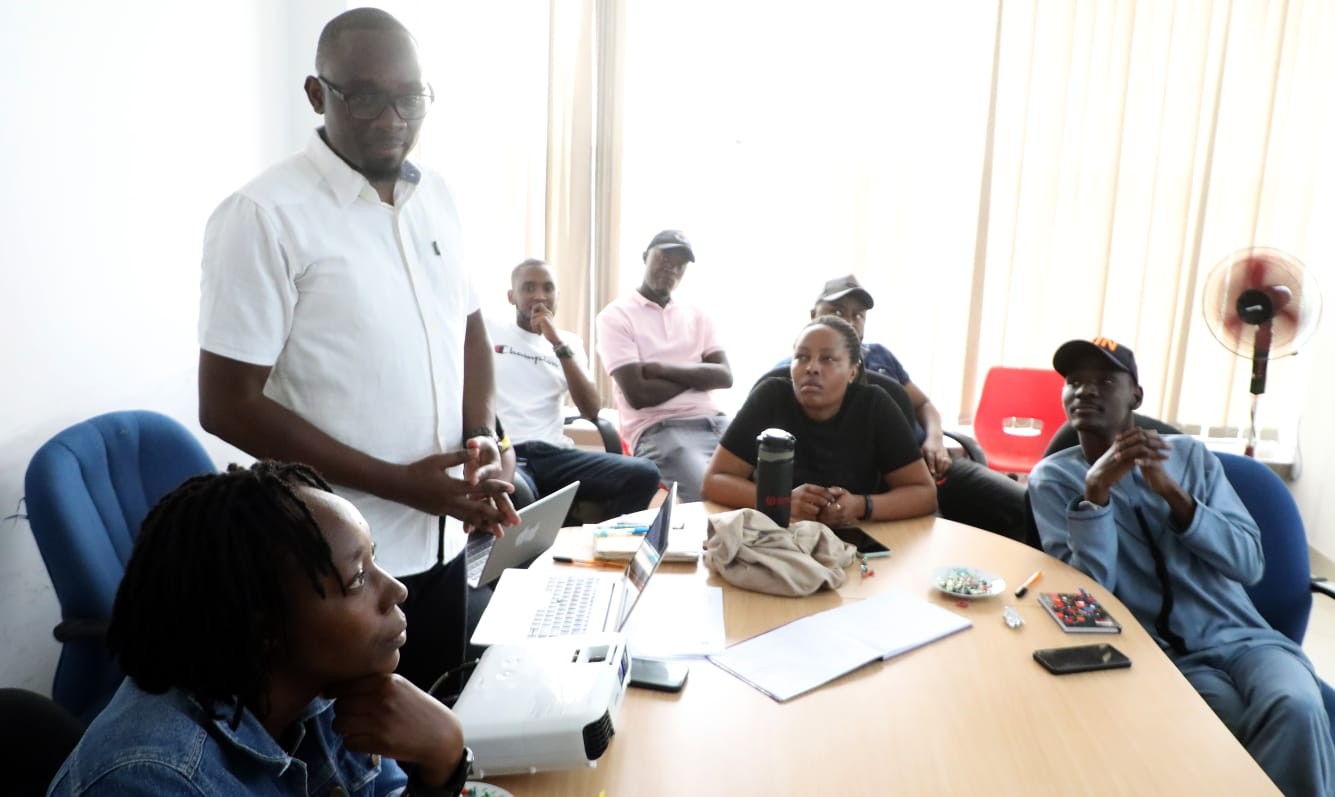
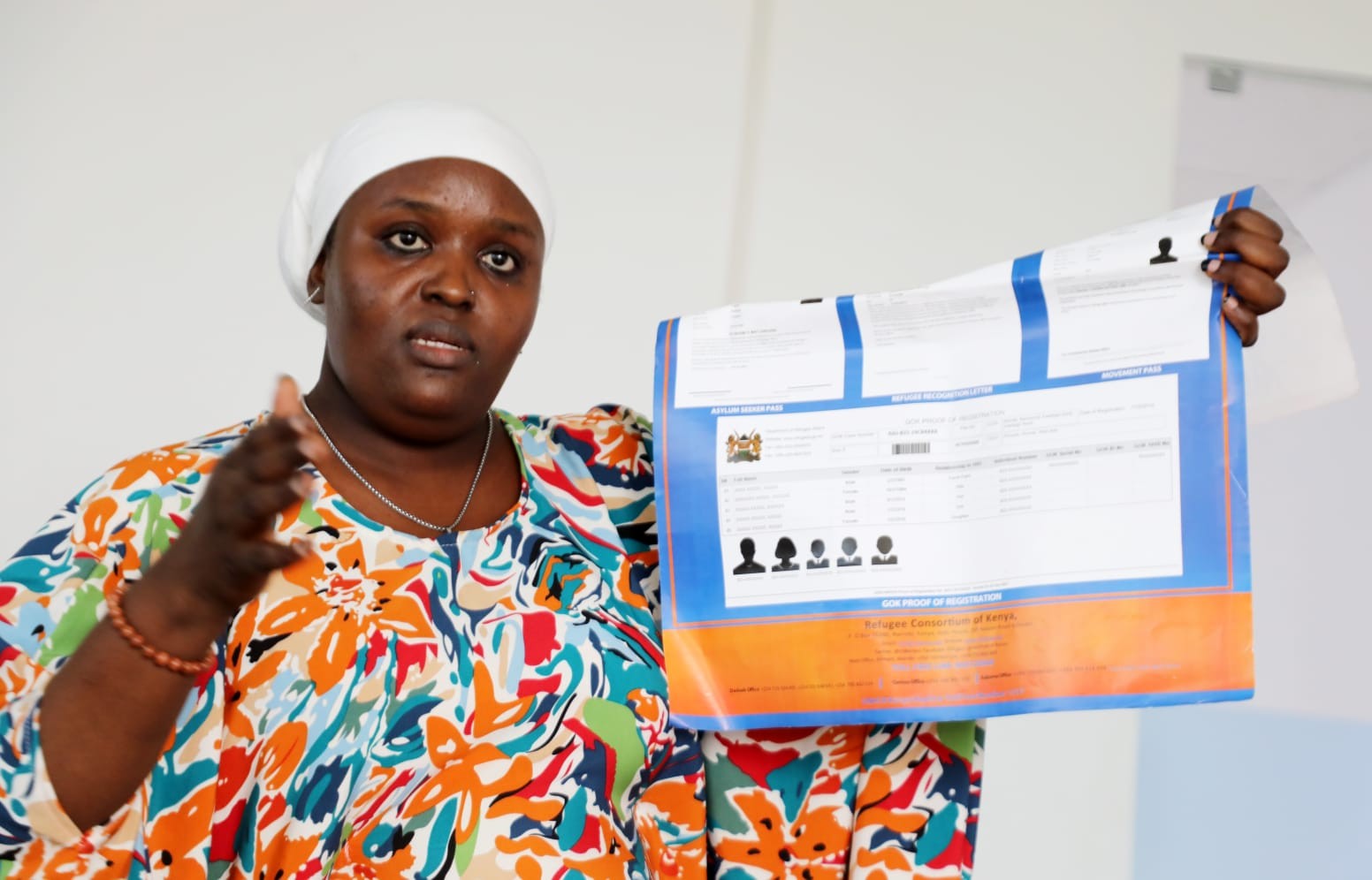
Recognizing the distinctive challenges urban refugees face, including difficulties with identity documentation, access to healthcare, economic integration and social inclusion, the training equipped media practitioners with the tools to approach such stories ethically and effectively. Journalists were guided to move beyond narratives of charity or victimhood, highlighting refugees and host communities as rights-holders entitled to dignity, protection and justice under both Kenya’s Constitution and the Refugees Act of 2021.
Participants explored core HRBA principles such as participation, accountability, non-discrimination, transparency, human dignity, empowerment and rule of law. Journalists engaged in reflective discussions around key questions: Who is marginalized and why? What are the legal entitlements of those affected? Who holds responsibility to uphold these rights? What barriers prevent their fulfillment? This framework fosters storytelling that drives meaningful advocacy and systemic change.
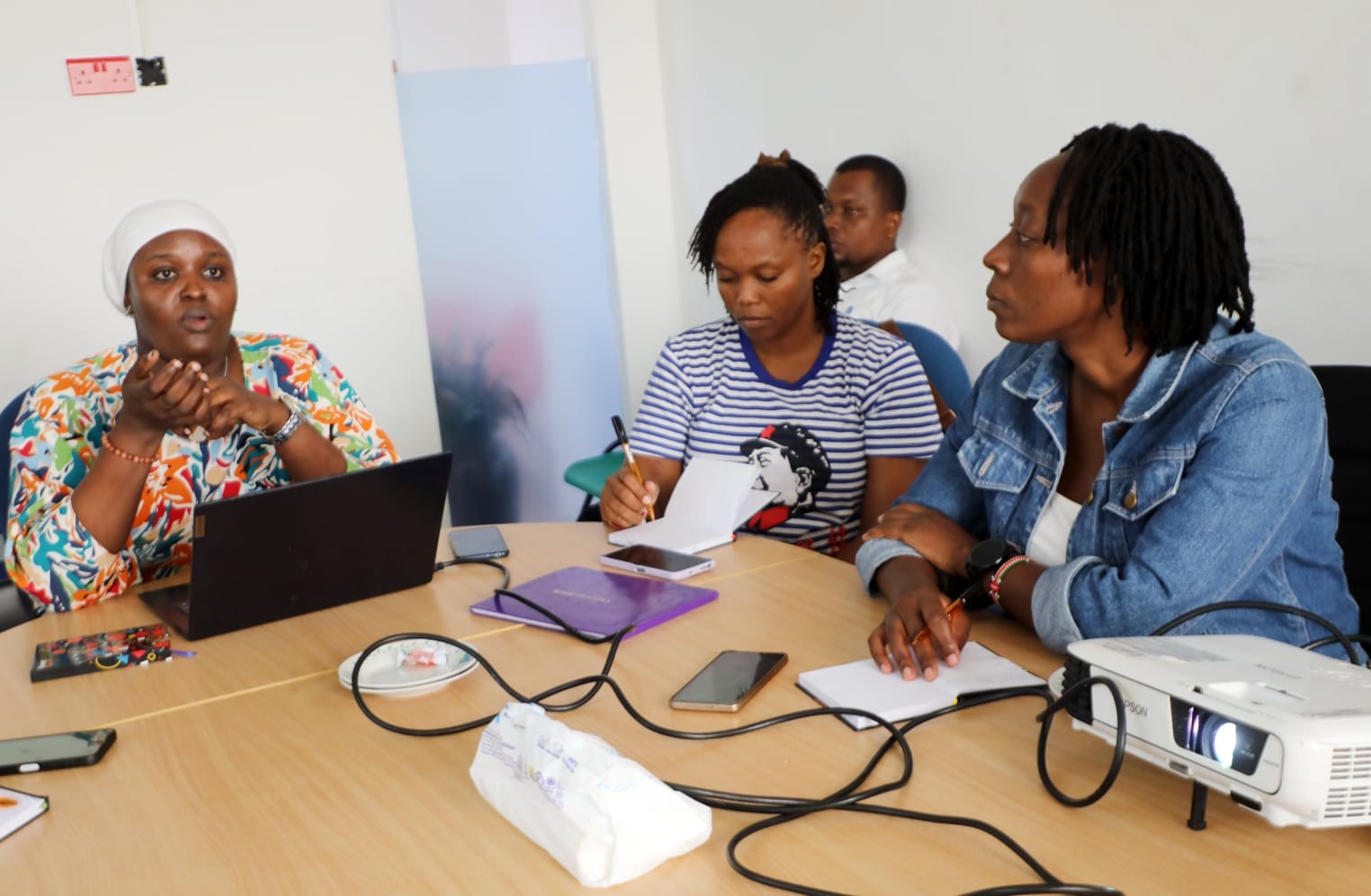
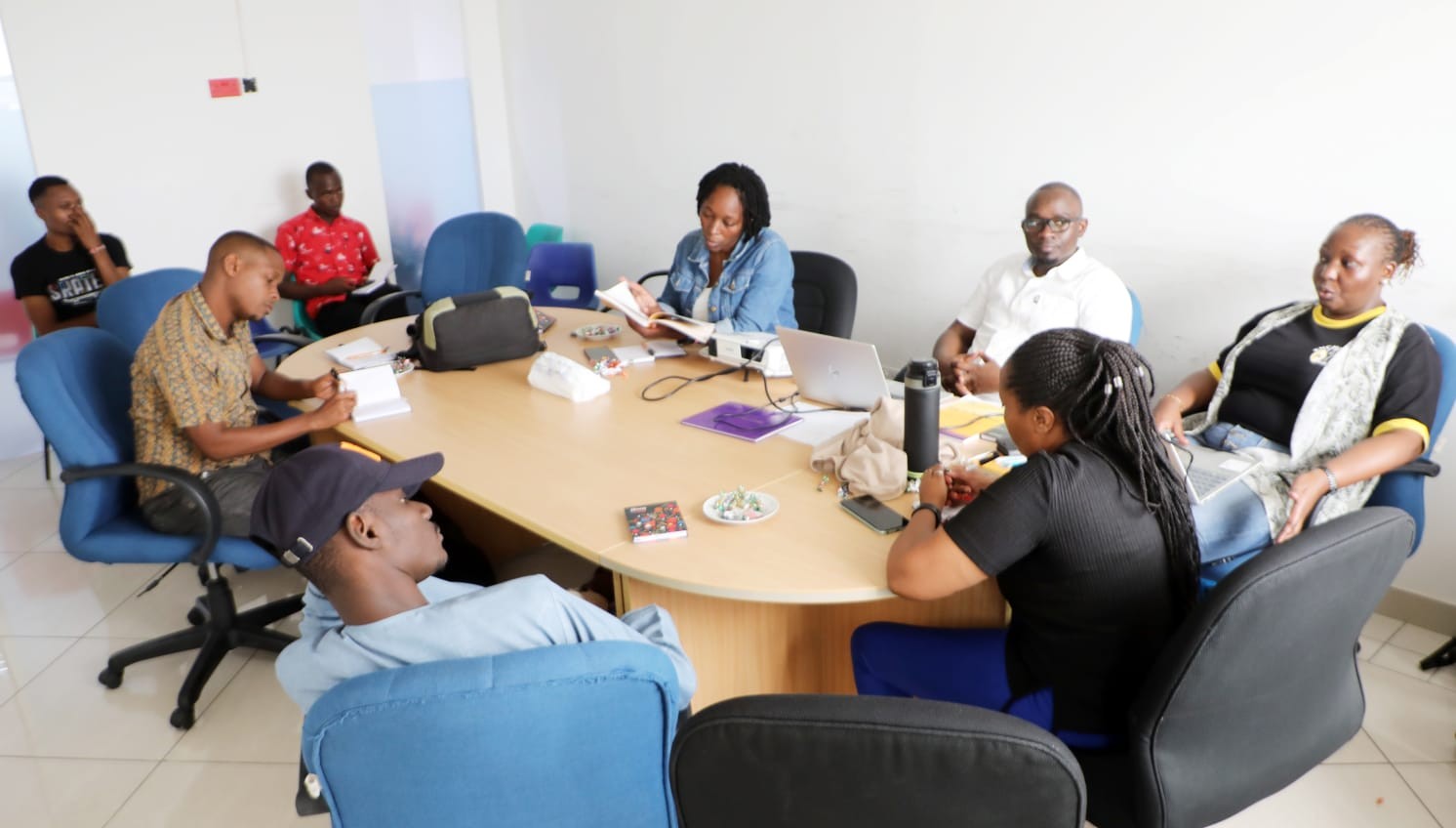
Among the powerful local case studies was a feature on women fisherfolk in Kilifi County. This story that was widely featured by journalists at the coast region, uncovered gender discrimination and economic exclusion, amplifying women’s voices and sparking policy dialogues that fostered greater empowerment and protections within coastal communities. Another spotlight story examined childhood education challenges faced by refugee and nomadic children in the Coast, catalyzing heightened government monitoring and social awareness campaigns.
The training also highlighted other compelling HRBA media successes from across Kenya, including a multipart series on sexual violence survivors in Kakuma refugee camp, demonstrating how rights-based journalism can lead to increased access to justice and legal reform.
Ethical reporting practices were emphasized, focusing on the importance of informed consent, confidentiality and trauma-sensitive interviewing techniques. Journalists were encouraged to incorporate disaggregated data, examining gender, ethnicity, socio-economic status and more, to enrich and contextualize their narratives with fairness and accuracy.
Through this collaboration, KNCHR is building a media landscape in Mombasa where stories of urban refugees and host communities are told not just to inform, but to empower, advocate and unite. The Haki na Ushirikiano project continues to cultivate conscientious journalism that champions human rights, social cohesion and justice for some of Kenya’s most vulnerable populations.