Counter Trafficking Day Spotlight: KNCHR Reinforces Media’s Role in Protecting Vulnerable Communities’ Rights in Wajir County
Counter Trafficking Day Spotlight: KNCHR Reinforces Media’s Role in Protecting Vulnerable Communities’ Rights in Wajir County
By Daniel Mule
In Wajir, a region whose desert landscapes quietly bear witness to one of Kenya’s darkest chapters, the Wagalla massacre of 1984, the power of storytelling takes on a profound responsibility. Decades after this tragic event, which saw mass killings and deep trauma among the ethnic Somali community, the need for truthful, sensitive and justice-driven journalism remains vital. Recognizing this, the Kenya National Commission on Human Rights (KNCHR), through its Public Affairs and Communications (PAC) Division and the North Eastern Regional Office (NERO), convened the training under the Haki na Ushirikiano project to equip local journalists with the Human Rights-Based Approach (HRBA) to reporting.
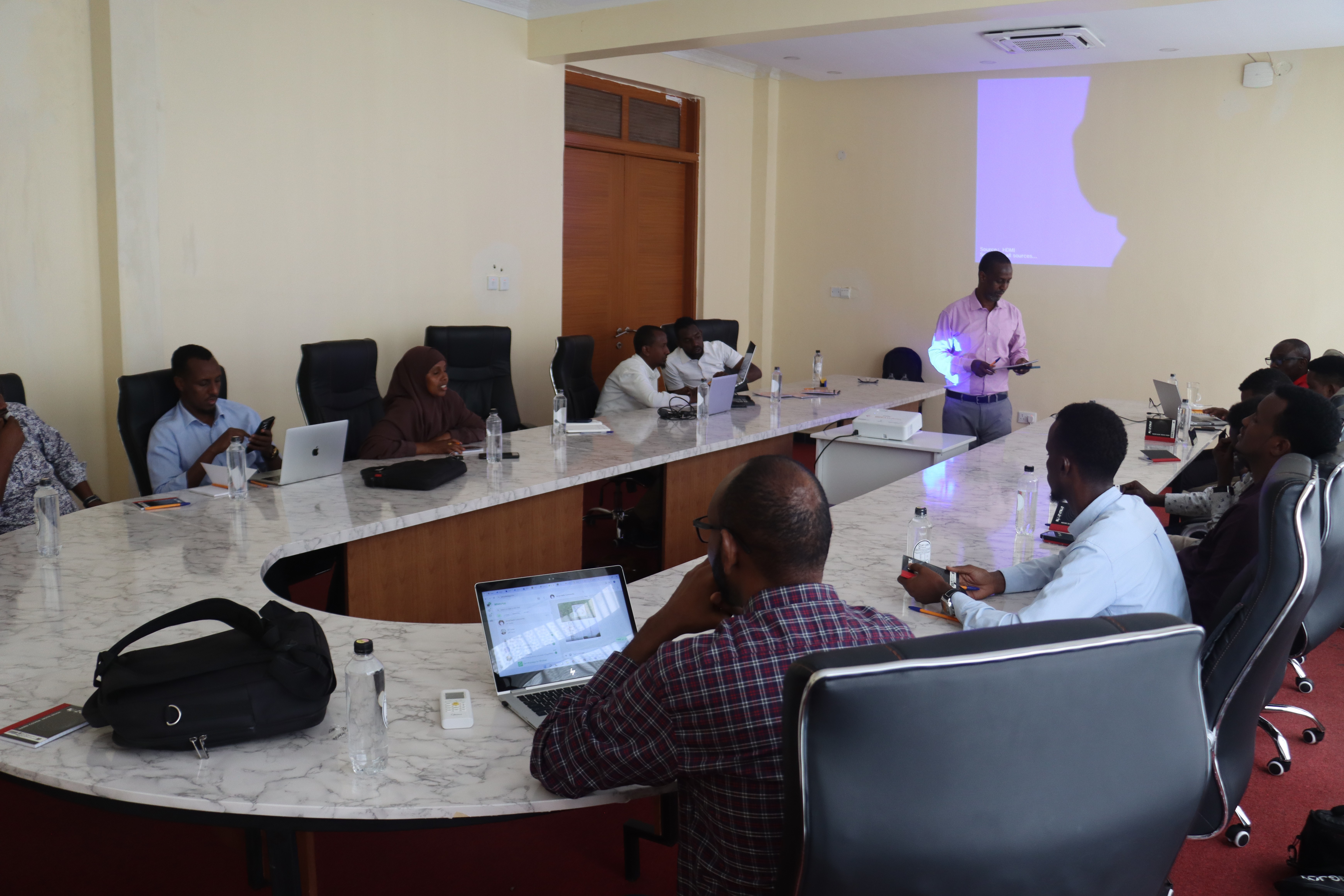
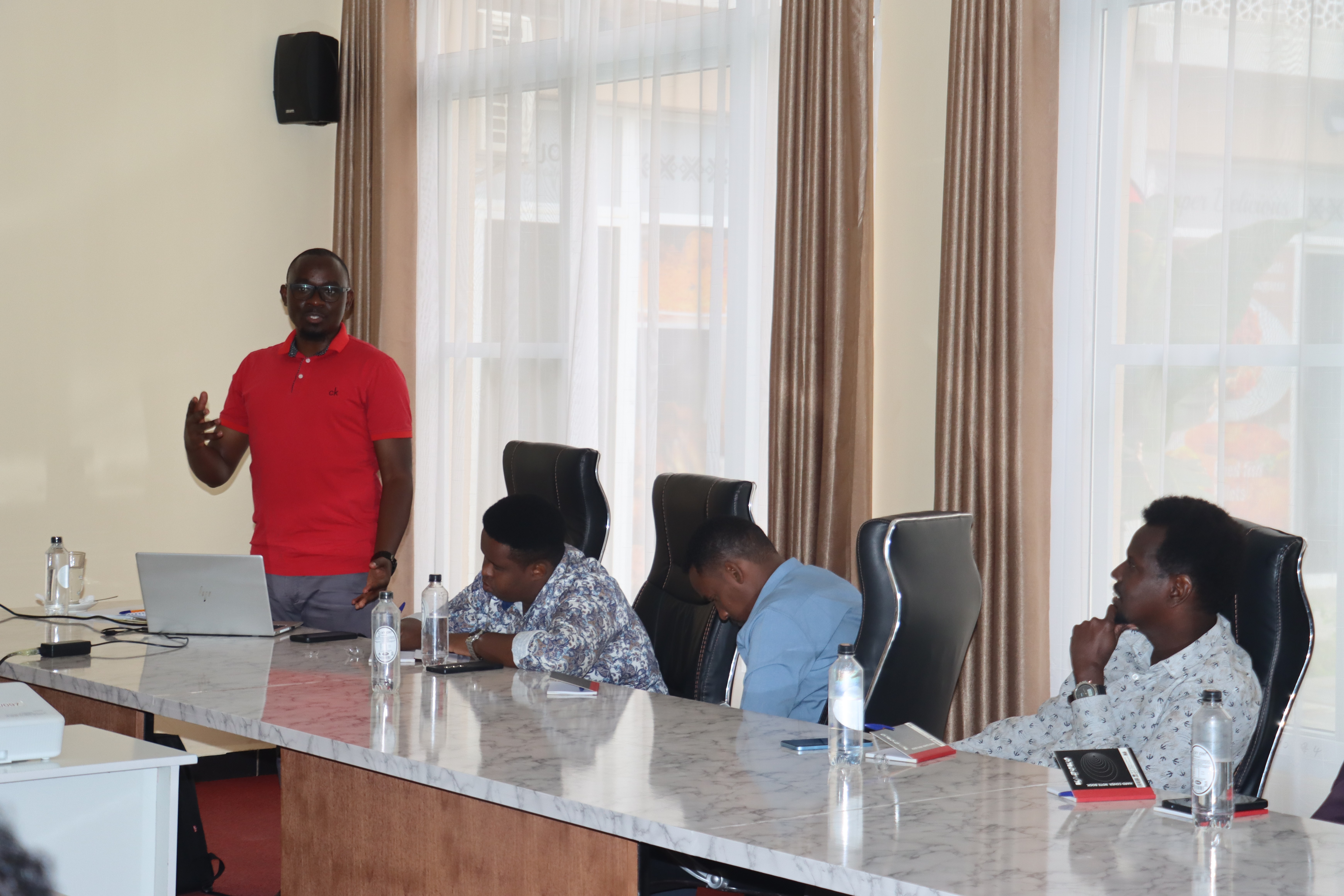
Wajir’s geographical and social proximity to Garissa County, home to the large Dadaab refugee complex, adds layers of complexity and urgency to human rights reporting. Journalists here routinely cover issues not only within the host communities but also refugees, who face legal, economic and social challenges in accessing resources and justice. The training was deliberately held to coincide with Counter Trafficking Day observed in Wajir. It underscored the media’s crucial role in addressing human trafficking, extrajudicial actions and the impact of counterterrorism operations that sometimes infringe on the rights of local communities and Kenyans and refugees alike.


Journalists engaged deeply with local case studies highlighting extrajudicial detentions, disappearances during security sweeps and the persistent marginalization faced by refugees and host populations. The session emphasized the ethical imperatives of balanced, evidence-based, and trauma-informed reporting which is critical in a region where sensationalized stories can inflame tensions and jeopardize community cohesion.
HRBA principles were central to the training, guiding journalists to frame stories around inclusion, accountability, non-discrimination, participation, transparency, human dignity and empowerment. For example, water scarcity stories were looked at as stories on violation of the right to clean water and infrastructure deficits were linked to the violation of rights of persons with disabilities. This shift from charity narratives to rights-centered discourse enhances advocacy and public policy engagement.
Building on this, KNCHR proposed sustainable media partnerships within Wajir’s vibrant local media ecosystem. Plans for regular KNCHR expert engagements and advocacy promos aim to amplify awareness on refugees’ and hosts’ rights in various local languages, challenge misinformation and promote peaceful coexistence in this borderland region.
As Wajir’s journalists deepen their HRBA skills and collaborate closely with KNCHR, they stand at the forefront of transforming narratives and honoring historical truths while fostering justice, inclusion and resilience among marginalized communities in North Eastern Kenya.